How to Choose the Right Packing Tape for Your Business
Why Packing Tape Choice Matters More Than It Seems
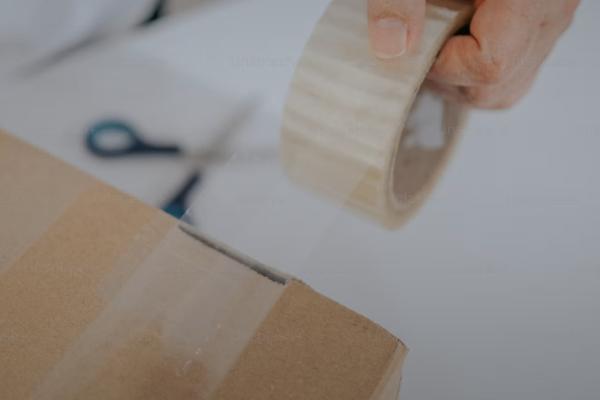
For most businesses, packing tape is an afterthought — a low-cost consumable bought in bulk and rarely given a second thought until something goes wrong. But the tape sealing your boxes is doing a surprisingly important job: it's holding your product together through handling, stacking, transit vibration, temperature swings and, in some cases, weeks in storage. Get it wrong and the consequences show up as split boxes, damaged stock, costly returns and, ultimately, a poor first impression for the customer opening the parcel.For businesses shipping at volume, tape choice also has a direct impact on cost per parcel. A cheaper tape that requires two or three passes to seal a box properly, or that fails often enough to generate a steady trickle of damage claims, is rarely the cheaper option once those hidden costs are added up. Choosing the right tape from the outset is a small decision that pays off across thousands of parcels.
The Main Types of Packing Tape Explained
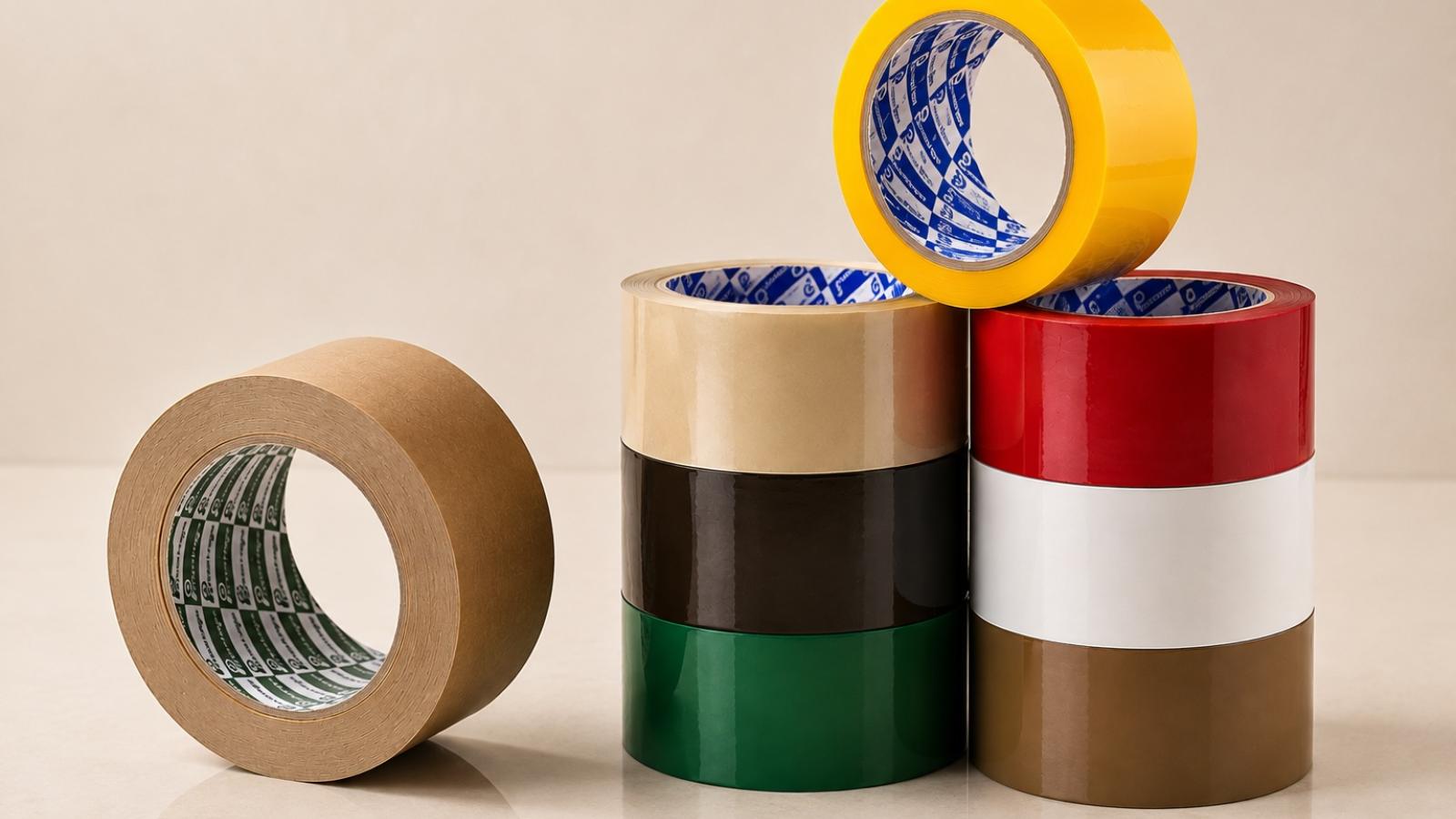
Acrylic (polypropylene) tapeThe most common choice for general-purpose parcel sealing. Acrylic tape offers a good balance of cost, clarity and performance, holds up well to UV exposure and temperature changes, and is a reliable all-rounder for retail and e-commerce dispatch.Hot melt tapeBuilt for higher-tack, heavier-duty applications. Hot melt adhesive grips instantly, even on slightly dusty or recycled cardboard, and performs well in colder environments, making it a popular choice for warehouses and logistics operations handling heavier or irregular boxes.Solvent tapeThe most durable option, with the strongest adhesion and the best resistance to extreme conditions — humidity, cold storage, long transit times and rough handling. It costs more than acrylic but is worth it where failure isn't an option, such as export shipments or cold-chain goods.Paper and water-activated tapeAn increasingly popular choice for businesses prioritising sustainability or wanting to project a premium, tamper-evident unboxing experience. Water-activated paper tape bonds directly to the cardboard fibre, making boxes harder to open discreetly and easier to recycle as a single material.Cloth and gaffer-style tapeFor bundling, reinforcing or securing irregular loads — rather than sealing standard cartons — a heavy-duty cloth tape offers far more holding strength and tear resistance than a standard packing tape, and is worth keeping on hand alongside your everyday stock for non-standard jobs.
Key Factors to Consider Before You Buy
Choosing the right tape comes down to matching the product to how it will actually be used. Before ordering, it's worth thinking through:
Load weight and box size — heavier or larger boxes need a higher-tack adhesive and often a wider tape width to spread the load across the seam.
Storage and transit conditions — cold storage, humid environments and long-distance freight all demand a more durable adhesive than a standard acrylic tape can offer.
Application method — hand dispensers suit low-to-medium volume operations, while tape guns or automated case sealers on a packing line need a tape engineered for consistent unwind and machine compatibility.
Tape width and thickness — thin, narrow tape might seal a box today but is more prone to splitting or lifting under stress; thicker gauge tape costs more per roll but often needs fewer passes.
Sustainability requirements — if recyclability matters to your customers or your own packaging policy, paper-based tape may be a better fit than plastic-backed alternatives.
Branding — printed tape carrying your logo turns a purely functional item into a small, low-cost branding touchpoint for every parcel that leaves your business.
Common Mistakes Businesses Make
A handful of avoidable mistakes account for most tape-related problems we see:
Buying on price per roll alone, without factoring in how many metres are actually usable or how many passes each box needs.
Using a single tape for every job, when heavier or irregular items would benefit from a stronger adhesive or a dedicated bundling tape.
Single-strip sealing on boxes that need full H-taping across both the top and bottom seams for adequate strength.
Storing tape stock poorly — extreme heat, cold or direct sunlight can degrade adhesive performance before the tape is even used.
Buying in Bulk: What to Look for in a Supplier
Once you've settled on the right tape type, consistency becomes the priority. A supplier that can guarantee the same adhesive performance and roll length order after order — rather than a variable spec depending on stock availability — removes a hidden source of packing-line inefficiency. For businesses ordering regularly, a trade account with tiered pricing and reliable dispatch times is usually more cost-effective than sourcing ad hoc from multiple places.
Choosing With Confidence
The right packing tape depends on your product, your packing process and how your parcels travel — there's rarely a single answer for every business. Directa supplies a full range of packing tapes, from everyday acrylic through to high-performance solvent and cloth tape, with trade pricing available for businesses ordering in volume. If you're not sure which tape suits your operation, our team can talk through your requirements and recommend the right fit.